
An aspen is a generous tree — fast, bright, alive with movement — and a surprisingly unforgiving one to prune. Cut at the wrong moment and you hand canker fungi an open door. Cut too hard and the roots answer with a thicket of suckers. The good news is that aspen pruning is simple once you know the window, the tools, and the handful of cuts genuinely worth making.
Why aspens punish careless pruning
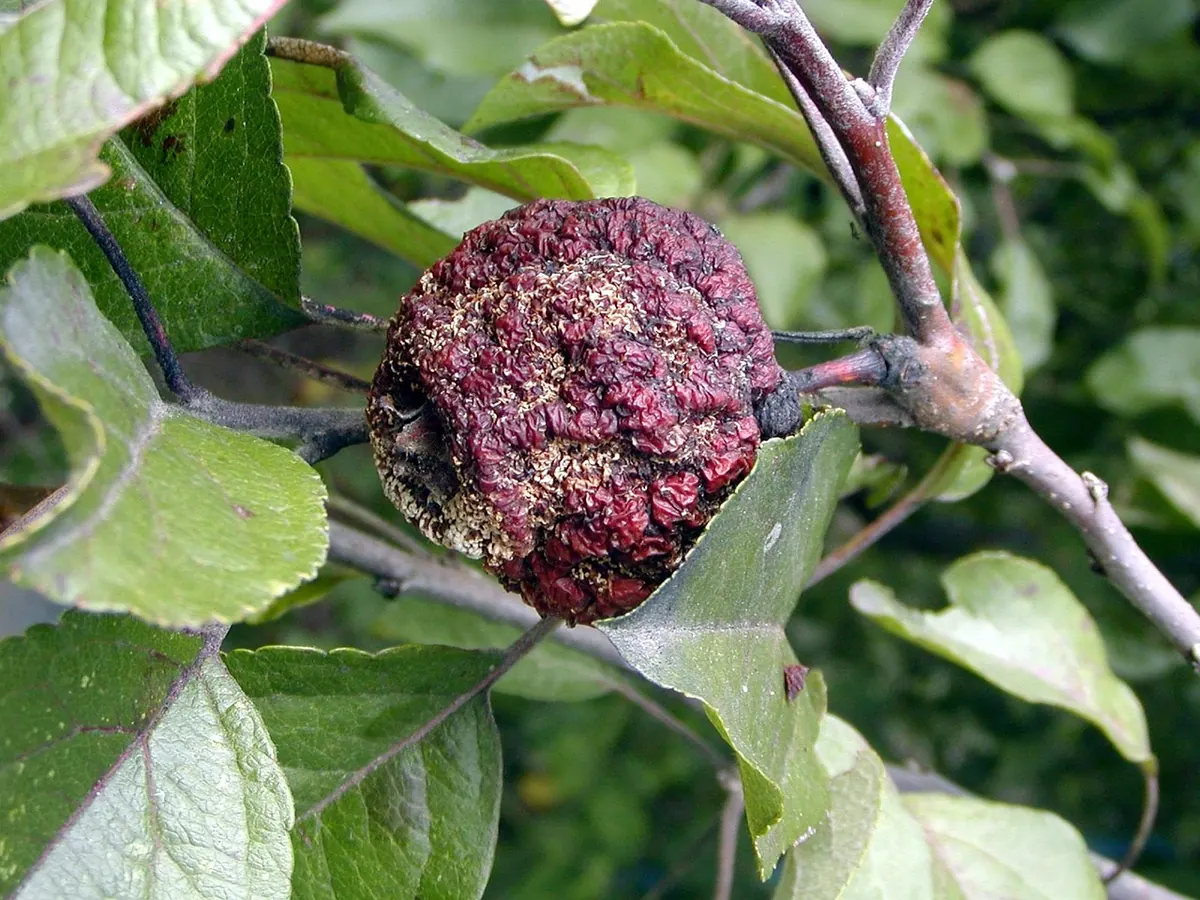
Aspens are poplars, and poplars grow quickly. Quick growth brings lighter, softer wood than you would find in oak or hornbeam, and aspens are not especially good at walling off decay once it starts. A ragged cut, a torn branch or a stump left too long gives fungal spores somewhere to settle, and canker diseases — the sort that produce sunken, oozing patches on bark — are a real risk in damp British weather.
There is a second complication. When an aspen is stressed or damaged, its instinct is to spread: roots send up suckers, sometimes several metres from the trunk. Prune heavily in an effort to tidy the crown and you can trigger a thicket rather than a shapely tree. The rule, then, is to prune lightly, rarely, and in the right month.
The best pruning window: late winter dormancy
In the UK, aim for late February to early March. The hardest frosts are usually behind you, the tree is still fully dormant, and the branch structure is easy to read without leaves in the way. Wounds made now are followed almost immediately by the spring growth flush, which helps the tree begin sealing them.
Two windows to avoid. The first is late spring, once buds break and sap is rising: aspens bleed freely from fresh cuts, and while the bleeding is not itself harmful, it tells you the tree has left dormancy and the window has closed. The second, and more important, is autumn. Wet air, active fungal spores and wounds that sit open through the winter are a poor combination, so leave live wood alone from September until the tree is dormant again.
Pick a dry, still day with the temperature comfortably above freezing — below roughly -5°C the wood becomes brittle and cuts splinter. Don't prune in rain or when heavy rain is forecast within a day or two, and give yourself enough light to see what you are doing.
Month by month through the year
December to February
Dormant, but January is often too cold and too wet for clean work. If you must remove a storm-damaged limb, do it now and keep the cut tidy. Otherwise wait for a milder, dry spell towards the end of February.
March to May
This is the main window. Finish structural work before the buds break — usually by mid-March in southern England, a little later in Scotland and at altitude. Once leaves are out, stop. From May onwards, only remove branches that are broken, dead or clearly diseased.
June to August
Emergency work only: storm damage, a limb rubbing against a building, or a branch showing canker. Cut back to clean wood, sterilise your tools between cuts, and avoid heavy pruning in a dry spell, which adds stress the tree cannot afford.
September to November
The worst time for live cuts. Leaf fall and damp air coincide with peak spore activity. Restrict yourself to dead wood, which can be removed at any time of year, and leave everything else for late winter.
- Best: late February to early March, dry and above freezing.
- Acceptable: any dry dormant day in December or January, for urgent damage only.
- Emergency only: June to August.
- Avoid: September to November, and any time the tree is in full leaf.
Tools, sharp edges and clean blades
Blunt tools tear bark, and torn bark is exactly what canker fungi exploit. A small, sharp kit is better than a large, tired one.
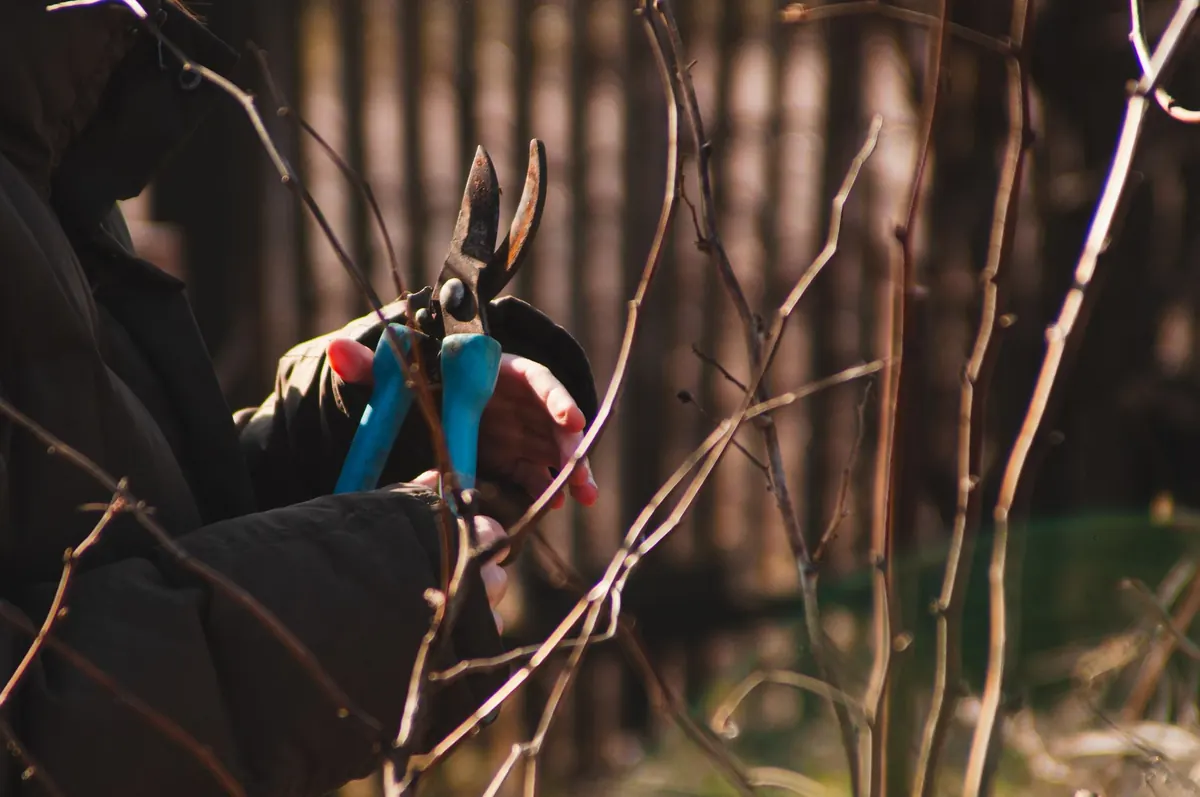
- Bypass secateurs for twigs and branches up to about 1.5cm.
- Loppers for anything up to roughly 4cm, held so the cutting blade sits against the trunk side of the branch.
- A pruning saw for thicker limbs — a curved saw with fine teeth cuts aspen cleanly.
- A pole saw or extending lopper for branches above head height, used from the ground rather than a ladder.
- Cleaning materials: a cloth and methylated spirit or a diluted bleach solution to wipe blades between trees, and between cuts if you are removing diseased wood.
Avoid anvil pruners and heavy lopping shears on live wood; they crush rather than slice, and crushed tissue dies back. Skip wound paints and sealants too — modern arboricultural practice favours leaving a clean cut to dry and seal naturally, since trapped moisture encourages rot.
The cuts worth making
- Dead, diseased and damaged wood first. Cut back to healthy tissue, leaving the branch collar — the slight swelling where branch meets trunk — intact. Never cut flush with the trunk, and never leave a long stub.
- Rubbing and crossing branches. Where two limbs chafe, remove the weaker one back to a strong side branch or the parent limb.
- Lifting the crown. Remove the lowest branches gradually, over several years, so the trunk is clear without stripping the tree bare in one session.
- Competing leaders. If two upright stems form a narrow V, take out the weaker one while it is still small enough for a saw or loppers.
Whichever cut you make, remove no more than about a quarter of the living canopy in a single year, and give the tree at least two or three years before the next significant prune. Aspens tolerate light thinning; they resent being cut back hard, and topping a tree this soft-wooded invites decay down the trunk.
Aftercare: what helps, what doesn't
You do not need to paint anything. What an aspen wants after pruning is a steady supply of water through the following summer, a mulch of well-rotted organic matter spread in a ring that stops short of the trunk, and a break from further cutting. Hold off on high-nitrogen feeds, which push soft, sappy growth that is more attractive to pests and less able to withstand wind.
Watch for suckers appearing in the lawn or border during the season after pruning. Mow them or cut them off below soil level with a spade rather than pulling them, which simply encourages more. And keep an eye on any wound for sunken bark, dark oozing or dieback — if canker takes hold, remove the affected branch promptly and clean your tools afterwards.
When to hand it over to an arborist
Small trees and low branches are a sensible job for a careful gardener with sharp tools. Call in a qualified arborist for anything above comfortable reach, for work close to buildings or fences, for limbs you would need a chainsaw to remove, and for any tree showing widespread canker or dieback. Never work within reach of overhead power lines — that is a job for someone trained and certified to do it. A good arborist will also tell you honestly whether the tree needs pruning at all, which for a healthy aspen is often the best answer.
Photo: Boryslav Shoot / Pexels