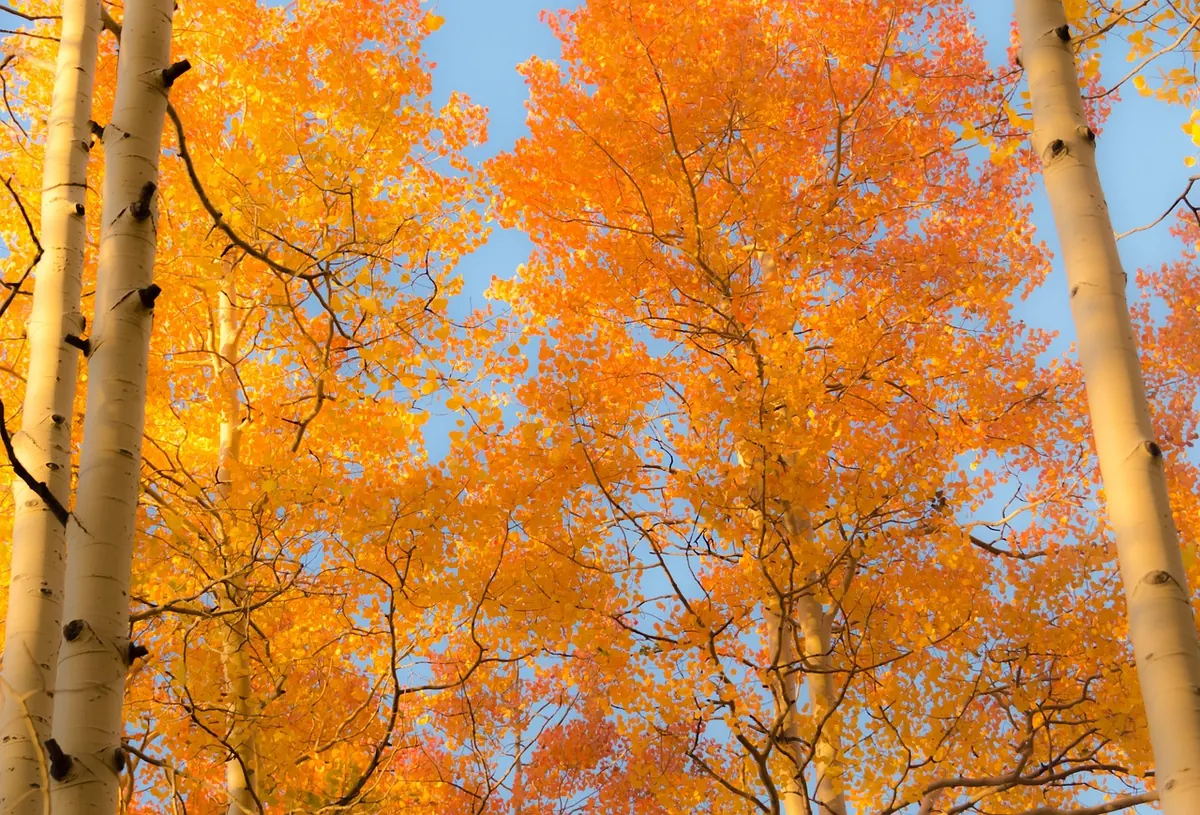

Aspen earns its place in British landscapes by being stubborn. It suckers freely, tolerates wind and poor ground, and keeps going where other broadleaves give up. That toughness can lull you into missing problems until a tree is well down the road to decline. The good news is that most aspen trouble in the UK falls into a handful of recognisable categories, and the right response is usually cultural rather than chemical.
Rust: the orange dusting under the leaves
From early summer, look at the underside of the leaves. If you find bright orange, powdery pustules, with pale yellow blotches on the upper surface, you are looking at poplar rust. It is the single most common complaint on aspen, and in a mild, wet summer it can strip a young tree almost bare by August.
Rust rarely kills outright. The real cost is repeated defoliation: less growth, weaker shoots, and a tree left more vulnerable to canker and drought the following year. Young trees, coppice regrowth and root suckers suffer most.
What helps is modest but worth doing. Clear fallen leaves from beneath specimen trees to reduce the amount of fungus surviving the winter, thin crowded stools so air moves through the canopy, and skip nitrogen-rich feeds that push soft, susceptible growth. On a shelterbelt or a wildlife planting, learn to live with it.
Leaf spot, mildew and sap-sucking insects
Leaf spot
Dark brown to black spots, sometimes with paler centres, spreading until whole leaves yellow and drop early. It is worst in wet summers and on nursery stock and young plantings. The same autumn leaf clearance that helps with rust helps here.
Powdery mildew
A white, floury film across the leaf surface from midsummer onwards. It looks alarming and does little real harm. Trees in still, sheltered spots with humid nights tend to show it most.
Aphids, galls and leaf beetles
Woolly aphids produce white, cotton-like patches on trunks and branches. Gall-making aphids cause neat, blister-like swellings at the base of the leaf stalk — curious rather than dangerous. The poplar leaf beetle, a striking red and black insect, has larvae that strip leaf tissue and leave a lacy skeleton behind.
- Most of these are cosmetic and the tree copes.
- Honeydew from aphids can encourage sooty mould, which wipes off new growth.
- Avoid broad-spectrum insecticides: they remove the ladybirds, hoverflies and birds doing the work for you.
Canker, dieback and aspen decline
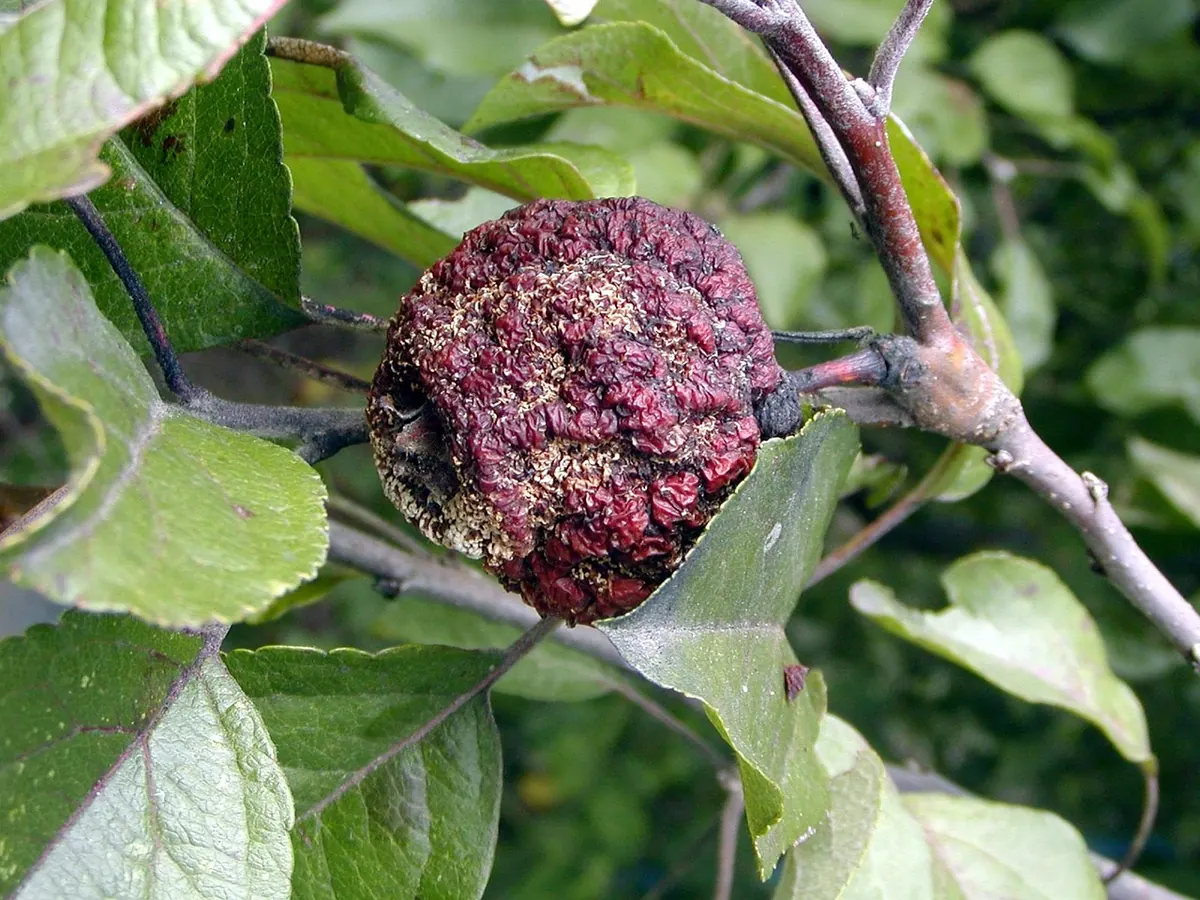
Cytospora canker is the one to take seriously. Look for sunken, dark, sometimes weeping patches on stems and branches, splitting bark, and — in wet weather — tiny orange-brown tendrils of spores pushing through the surface. Once a canker girdles a stem, everything above it dies.
The fungus gets in through wounds: strimmer damage, bad pruning cuts, sunscald, bark torn by deer. Drought-stressed trees are far more likely to succumb. Cut out affected branches well back into clean wood, and disinfect tools between trees if you are working through a batch.
Silver leaf, familiar on plums, can also affect poplars and aspens, giving leaves a grey sheen and staining the wood dark. Verticillium wilt causes sudden wilting, often one-sided, with dark streaking in the wood. There is no cure for either; remove the tree and avoid replanting a susceptible species in the same spot.
Finally, remember that aspen is a short-lived pioneer. Crown thinning, small leaves and dieback from the tips over several years is often simply age and drought catching up. In a clonal stand, individual stems dying is normal — the root system and its suckers carry on.
Root rots and problems below ground
Honey fungus is the classic culprit. Check for black, bootlace-like strands under the bark or in the soil, white fungal sheets beneath loose bark, and honey-coloured toadstools in autumn. Crown thinning and dieback follow. There is no chemical fix; reduce stress, remove badly affected trees and be careful about what you replant, as the fungus persists in old roots and stumps for years.
Phytophthora collar rot shows as dark, weeping bark at the base of the trunk, often with a sour or sweet smell. It is a drainage problem as much as a disease problem. Compacted, waterlogged ground invites it, and planting too deeply makes it worse.
Browsing and bark damage
Animal damage is the most common reason young aspens fail, and it is entirely preventable. Deer — roe, fallow and muntjac — strip bark and nibble leading shoots up to roughly head height. Rabbits and hares leave clean, angled cuts on shoots and can ring-bark a sapling in a single night. Voles gnaw at the base, often hidden under mulch or snow. Grey squirrels strip bark higher up, and beavers, where they have been reintroduced, will fell aspen with enthusiasm.
- Fit 1.2–1.5 m mesh guards on young trees where deer are present.
- Use spiral or mesh guards against rabbits, and keep mulch clear of the trunk in winter to deter voles.
- Fence high-value plantings; check the guard or fence regularly, as damage often happens through a gap.
- Repellents can help but need reapplying after rain — always follow the product label.
Practical treatment: what actually helps
- Identify before treating. Photograph the symptoms, note the date and recent weather, and record whether the whole crown or one side is affected.
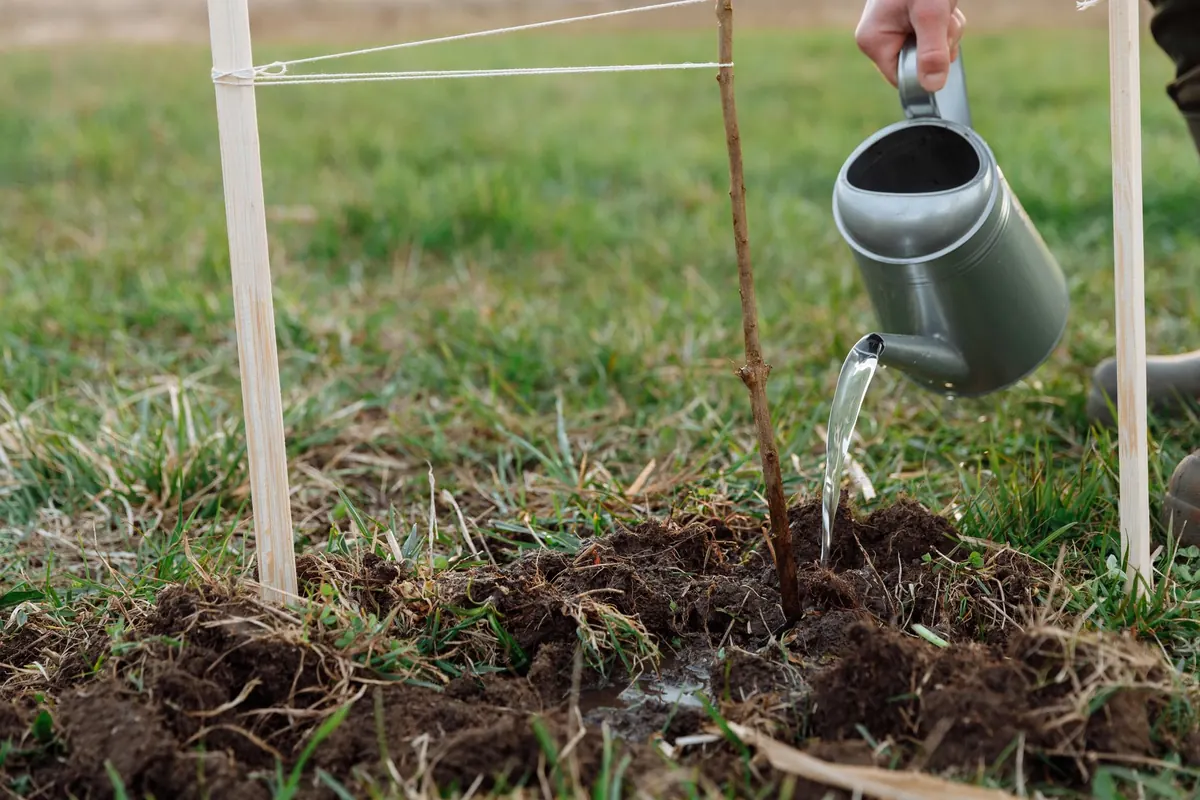
- Fix soil and water first. Drought, waterlogging and compaction sit behind a surprising amount of aspen decline.
- Clean up. Rake and bin fallen leaves under specimen trees, and prune out cankered shoots to healthy wood.
- Prune little, and at the right time. For poplars and aspens, late spring to midsummer is the safer window; keep cuts small and leave no stubs.
- Guard young trees. It is far cheaper than replacing them.
- Skip the heavy feeding. A spring mulch of well-rotted organic matter, kept off the trunk, is plenty.
- Give trees space. Thin dense sucker growth so air moves and leaves dry quickly.
Fungicides approved for amenity trees in the UK are limited, and spraying a tall aspen is rarely practical or justified. Check any product label carefully and be realistic about whether the damage is worth treating at all — often it is not.
When to call in an arborist
Bring in a professional if dead limbs hang over a path, road or parking area, if a canker is girdling a main stem, if the crown dies back suddenly, or if the tree leans or the ground around the base lifts. Before any felling or significant pruning, check whether the tree is covered by a Tree Preservation Order or sits in a conservation area, and whether a felling licence applies. Aspens in a garden or alongside a public footpath carry real risk once they start shedding timber, and that is not a job for a ladder and a handsaw.
Look after the basics — decent soil, water in dry spells, protection from teeth and antlers — and an aspen will repay you with that restless, shivering canopy for decades.
Photo: 40799 / Pixabay