
Aspen will grow where many trees sulk. It copes with wind, wet, thin acid soil and hard frost, and it spreads by root suckers into a thicket that takes the sting out of a gale. That makes it a serious candidate for a shelterbelt on a British smallholding, paddock or exposed garden boundary — with one caveat: it spreads. Get the siting and spacing right and you have shelter for decades. Get them wrong and you have a thicket in the vegetable patch.
Why Aspen Suits an Exposed Site
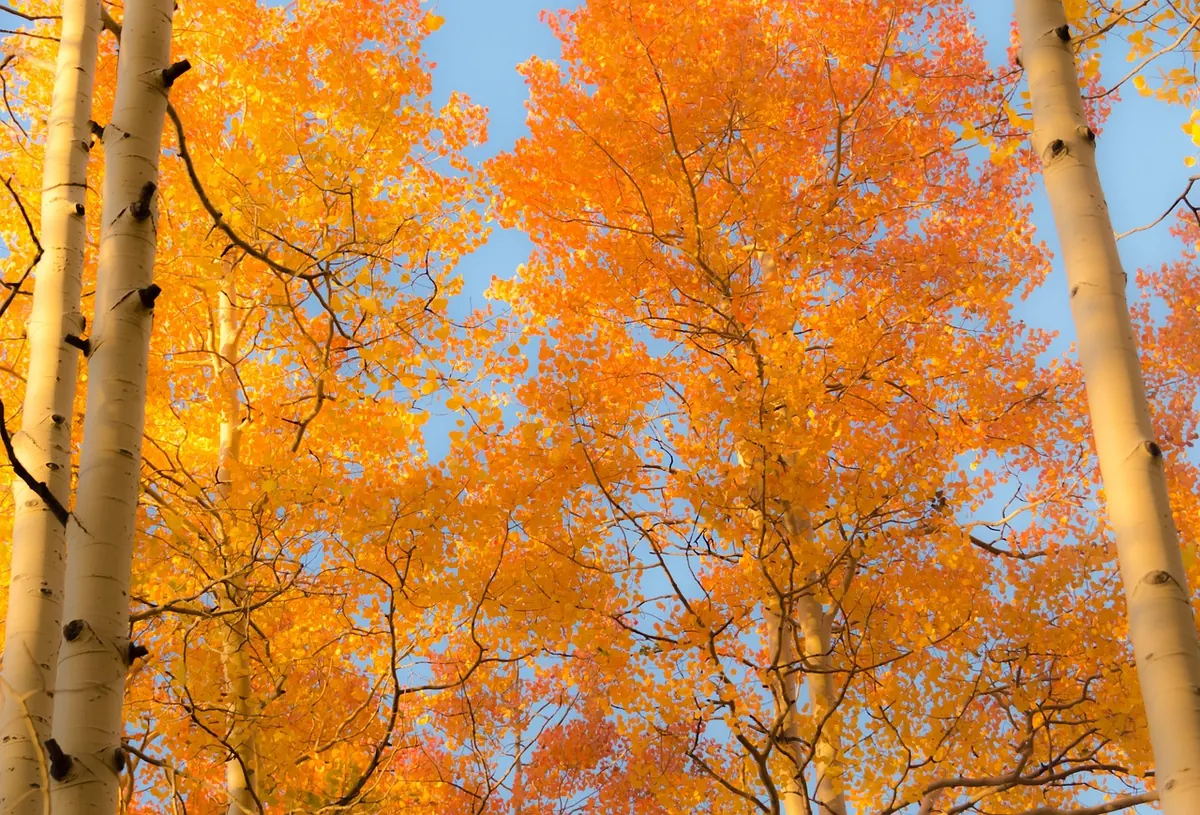
Aspen (Populus tremula) is one of the few native broadleaves that genuinely thrives on poor, exposed ground. It is quick off the mark in its early years, tolerant of wet winters and dry summers once established, and happy on the acid, gravelly or heavy soils that leave oak and beech struggling. By mid-summer a well-grown belt is dense enough to slow a gale to something you can stand up in.
It is deciduous, so winter shelter drops by roughly half. If you need year-round protection, mix in evergreens rather than relying on aspen alone. It also dislikes salt-laden coastal gales, which scorch the leaves and flatten young growth; inland and upland sites suit it far better.
Read the Wind Before You Choose the Line
Windbreaks work by slowing the wind, not stopping it, so placement matters as much as species.
- Prevailing wind in most of the UK comes from the south-west, so the south-western or western boundary is usually the one to plant.
- Look for flagging: crowns leaning away from the wind, and grass lying flat in the same direction.
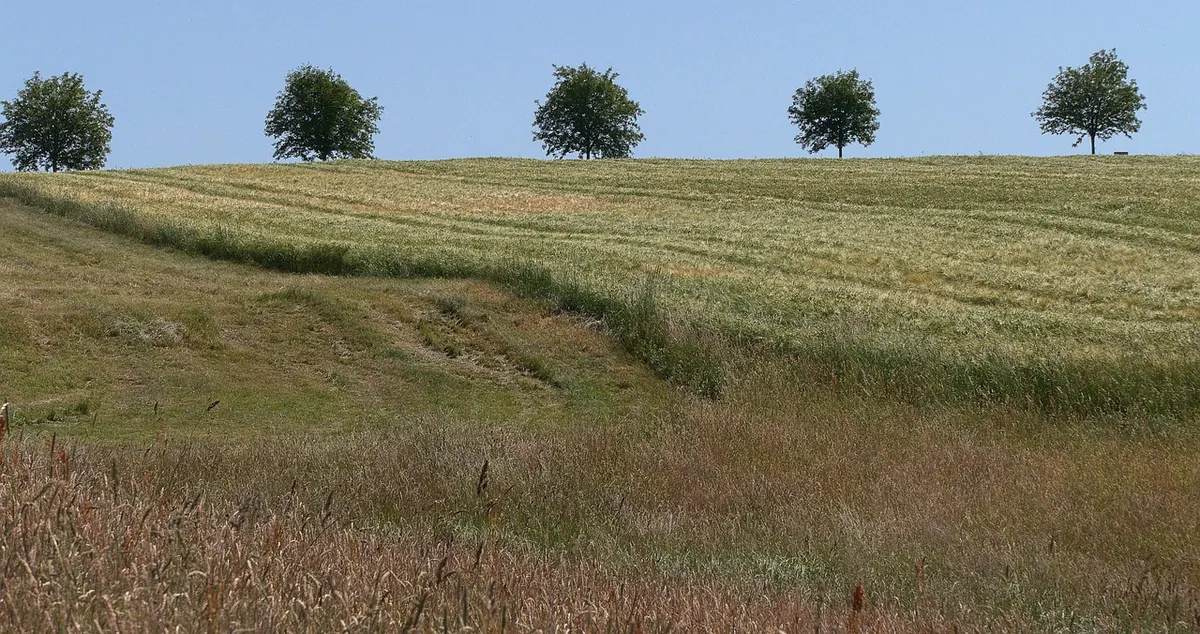
- Shelter extends roughly ten to fifteen times the mature height of the belt downwind, and only two or three times upwind. A 12 m belt protects around 120–180 m to its lee.
- Decide what you are protecting — house, veg plot, orchard, lambing paddock. Shelter you cannot use is just a hedge.
Then check the boundary. Aspen suckers travel, so keep the belt well inside your own land: read your deeds, talk to neighbours about anything close to the line, and take professional advice on a dispute rather than planting first and arguing later. Keep aspen at least 10–15 m from buildings, drains, septic tanks and paving; more on heavy clay.
Spacing and Layout
Too dense and you get a solid block that pushes wind over the top and dumps turbulence behind it. Too thin and the wind threads straight through. Aim for a belt that is around half porous at maturity, with growth from ground level upwards.
- Garden boundary, single row: 2.5–3 m between trees.
- Paddock, two or three staggered rows: 3 m within the row, 3–4 m between rows.
- Field shelterbelt: a windward row of dense low shrubs — hawthorn, hazel, willow — with two or three rows of aspen behind.
- Larger plot, longer view: plant at 4–5 m and let suckers thicken the belt over the next decade.
Two rules matter more than the numbers. Do not prune the lower branches off — a belt with clear stems and a gap at ground level funnels wind at exactly the height you wanted shelter. And plant a mix: around seventy per cent aspen with birch, rowan and hawthorn is far more resilient than a monoculture.
Planting Well
Plant bareroot whips between November and March while they are dormant, avoiding frozen or waterlogged ground. Whips of 60–120 cm establish best; bigger stock costs more and often sulks.
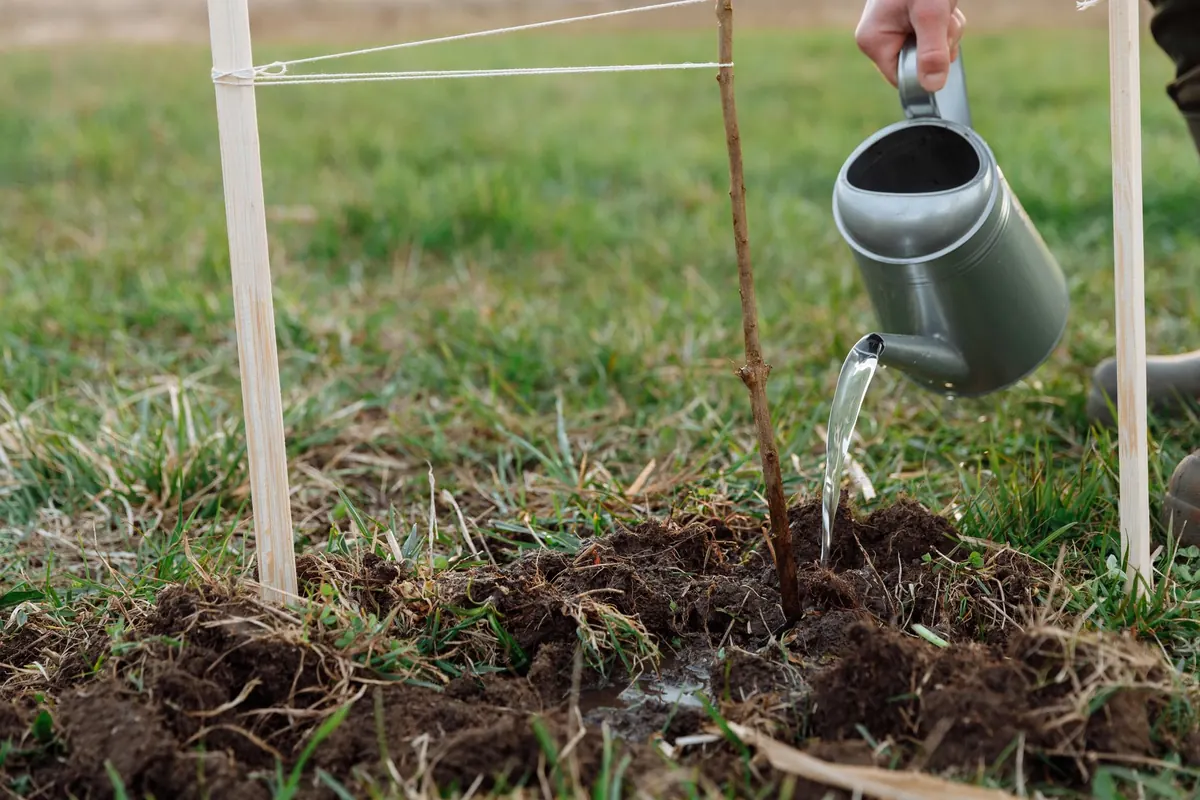
Clear a metre-wide strip either side of the planting line and keep it clear. Grass and weeds are the biggest cause of failed plantings. A mulch of well-rotted bark or woodchip, 5–8 cm deep and kept off the stem, does most of the work. Plant to the depth the tree sat at in the nursery — the soil mark on the stem is your guide — firm it in with your heel, then check it will not pull out with a gentle tug.
Fit a spiral guard and cane against rabbits, and a taller tube or mesh where deer are about. On a truly exposed site, a temporary netting fence on the windward side carries young trees through their first two or three winters. Water in dry spells for two summers.
Care in the Early Years
After planting, restraint is the main skill.
- Keep the weed-free strip and mulch topped up, and check guards and ties each autumn.
- Replace failures the following winter rather than leaving gaps.
- Water new trees in dry spells for their first two summers.
- Leave them to grow. Formative pruning is unnecessary in a shelterbelt and removes shelter you paid for; if you must cut, do it in late summer with sharp tools, and only remove dead, damaged or crossing growth.
- Go easy on nitrogen feeds, which push soft growth that wind and canker exploit.
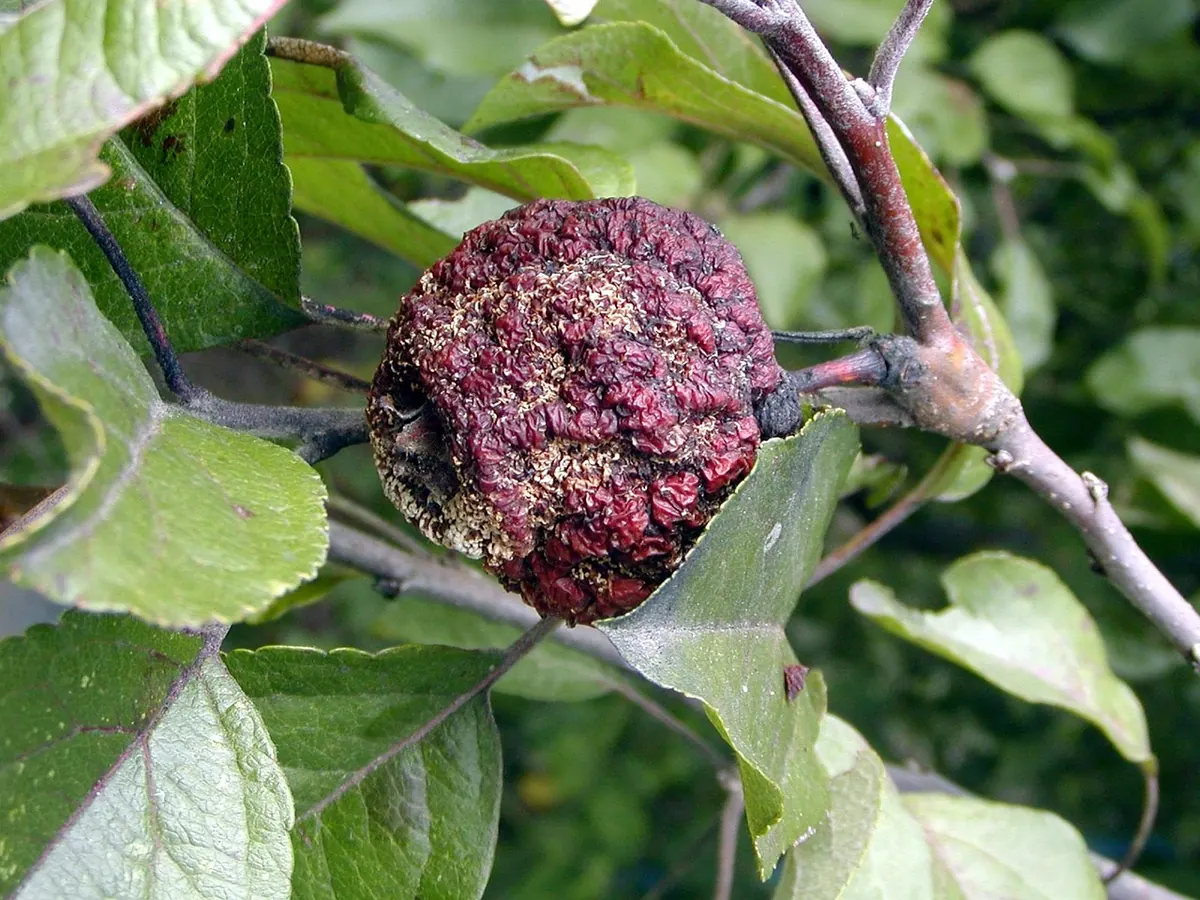
Leaf rust and gall midge cause blotching and pimple galls that look alarming and rarely do lasting harm. Canker can kill top growth on trees stressed by drought or compaction. Deer, rabbits and voles do more damage than disease in the first few years, so keep guards sound.
Managing Suckers and the Long Term
A stand of aspen is often one tree connected underground, and the suckers that make a belt thick and cheap also make it mobile. They surface anywhere from a few metres to well over ten metres out, further on light soils.
On a large plot this is mostly a gift: the belt fills its own gaps. Near a lawn, gravel drive or a neighbour's border it is a nuisance. Deal with it in one of three ways: mow the suckering zone regularly while the shoots are young, which exhausts them in the mown strip; fit a root barrier of heavy-duty membrane at least 60 cm deep before planting, with a lip left above ground; or use a large root-control planter. Never dig suckers out — cutting the roots triggers more.
Walk the boundary each spring and cut any suckers heading where they should not. If the belt becomes too tall or gappy, coppice a block on a rotation of roughly seven to fifteen years: you lose height for a season and gain dense regrowth and a longer-lived belt.
A Short Checklist Before You Dig
- Confirm the prevailing wind and the line the belt will run on.
- Measure your distances: 2.5–3 m in a garden row, 3 m within paddock rows, 3–4 m between rows, and 10–15 m from buildings, drains and paving.
- Decide how you will manage suckers before planting, not after.
- Order bareroot aspen plus two or three companions for a November–March planting slot.
- Buy guards, canes, mulch and netting in the same order.
- Leave the lower branches alone and let the belt thicken.
Aspen is forgiving once it is in the ground. Nearly all the failures happen in the planning and the first summer.
Photo: anaterate / Pixabay